Santa Maria highlight
Santa Maria-style barbecue tradition
A Spanish-origin tradition dating to the 1800s, officially recognized by the California State Senate in 2012 as the state's distinctive barbecue style.
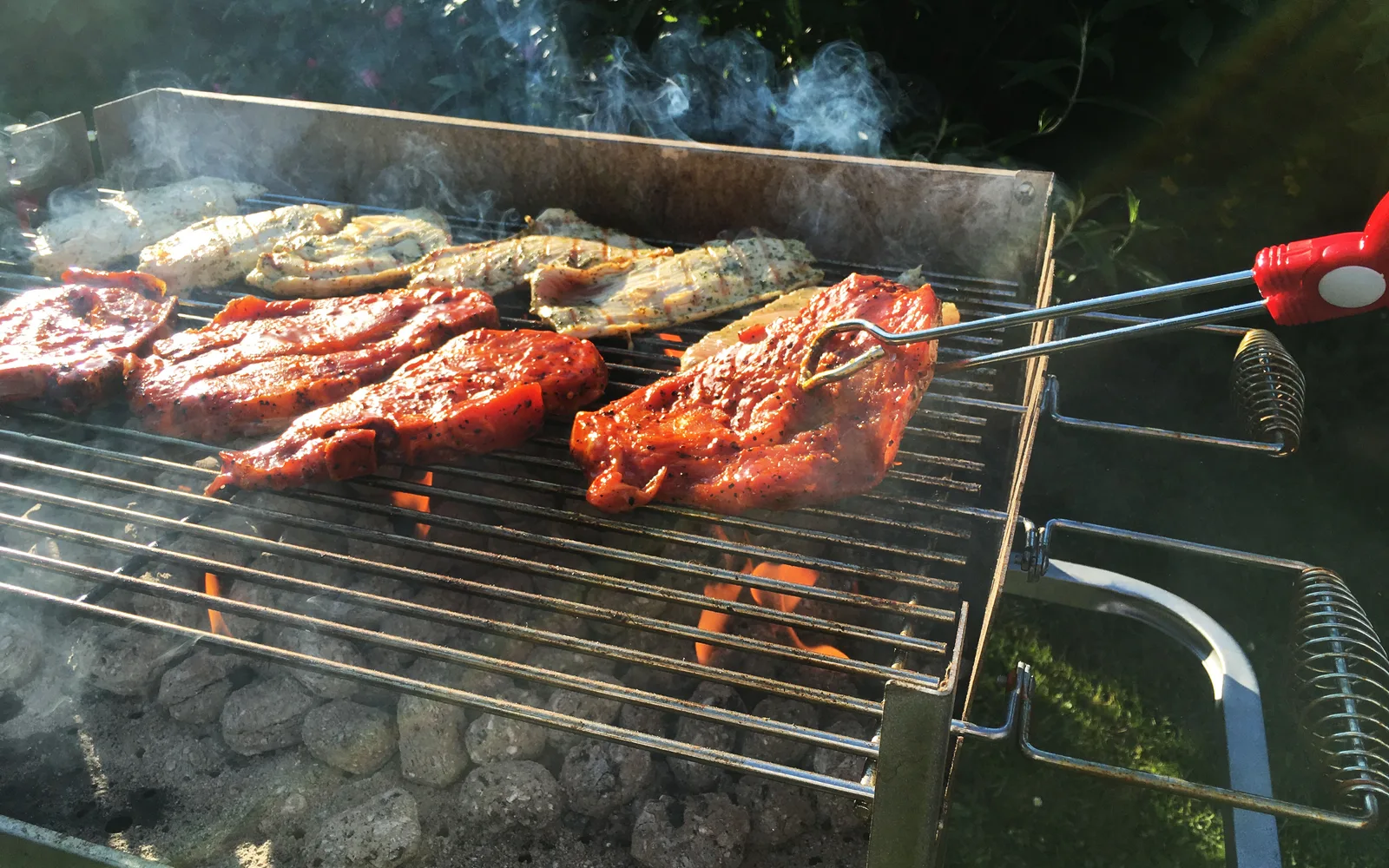
The Santa Maria barbecue tradition began on Spanish ranchos in the mid-1800s, where vaqueros cooked meat over earthen pits filled with hot coals. The practice persisted and evolved, and in 1931 the Santa Maria Club inaugurated the Stag Barbecue, a monthly gathering that attracted up to 700 patrons. In the 1950s, local butcher Bob Schutz perfected the tri-tip cut—the triangular bottom sirloin that became the signature meat of the tradition.
The Santa Maria method is distinctive by its simplicity: tri-tip beef, California red oak wood, an open-pit grill, and a rub of garlic, salt, and pepper. The traditional meal includes grilled French bread, green salad, fresh salsa, and pinquito beans. The Santa Maria Valley Chamber of Commerce copyrighted this specific menu in 1978 to protect its authenticity, and in 2012 the California State Senate formally recognized Santa Maria-style barbecue as the state's official barbecue tradition.
A tradition like this belongs to people who gather for reasons that matter—celebrations, milestones, the moment before a major life change. Life insurance planning shares that same intention: choosing the protection that lets your family stay rooted in the place you built together if the unthinkable happens. A term policy covering your income for the years your family would struggle most is the practical way to honor those traditions.